Case studies
Effective Water Control and Improved Oil Production in Light Oil, Fractured Carbonate Reservoir
 Getty Images
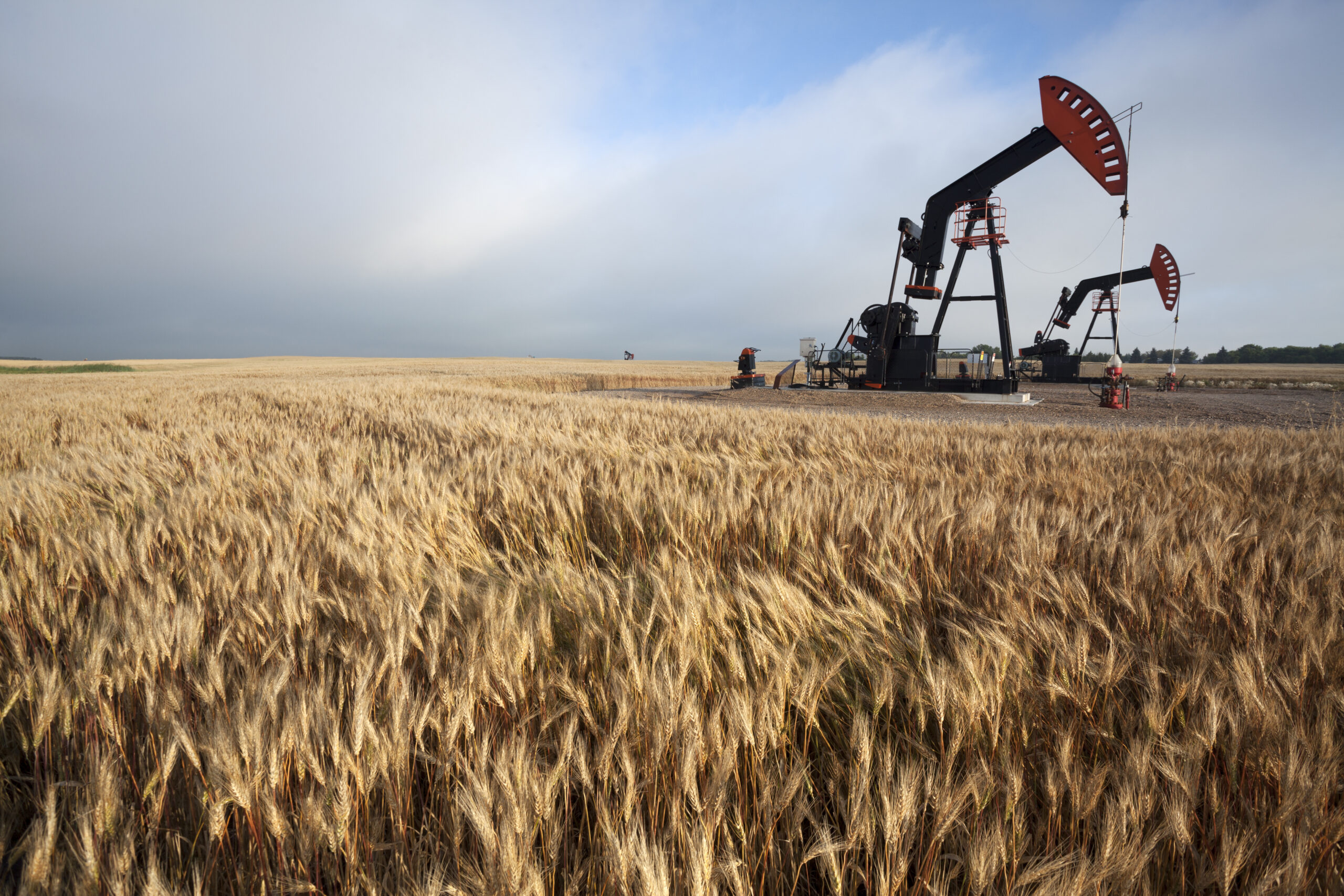
This AICV® field trial was conducted in a limestone reservoir that is associated with the Williston Basin of the North Central United States. It is a sedimentary carbonate formation with low matrix permeability. A complex network of natural fractures dominates fluid flow within the reservoir. These fractures can be good or bad; they can deliver a good oil rate, or they can be direct conduit to the field’s natural bottom-water drive.
Reduction in water production.
Improved oil production and slower decline rate.
Tons/y/well CO2 emissions reduced.
Challenges and Objectives
Most wells in this field start with ~50% water cut and reach 90% or more within a few months. Water volumes can reach 3500 bwpd per well, requiring largevolume pumps and significant water-handling & disposal infrastructure. This application of AICV® (Autonomous Inflow Control Valve) technology was designed to reduce water production rates and then evaluate the impact on oil recovery. Water control with light oil (3 cP) can be challenging due to low viscosity contrast between light oil and water. The AICV® performance ratio can be finely tuned to match specific fluid properties.
Solutions
The AICV® utilizes the viscosity and density of the oil and water to
autonomously restrict unwanted water production. The AICV® devices were installed in two wells; the first was an existing horizontal producer (retrofit installation) and the second was a newly drilled horizontal well. AICV® valves were installed on 3-1/2” liners in the open-hole horizontal section, compartmentalized with swellable packers. Each compartment of the well was approximately 150 ft long and was controlled by a dual AICV® flow screen. Nodal analysis predicted a 40-50% reduction in produced water with a corresponding increase in oil rate.
Results
Both AICV® wells experienced a 45% water reduction compared to open hole, barefoot completions. This resulted in 3000 bbl/d of water that the operator did not have to produce to surface. The reduced carbon emission associated with the produced water savings is estimated at 481 tons of CO2 per year (per well) based on reduced energy demand for water handling. The retrofit well’s drainage area was mostly swept but it maintained the same oil rate with a 45% water reduction. The new well started above 50% oil cut and has sustained 600 bopd over several months with a much slower decline in oil rate or increase in water cut. More AICV® equipped wells are being planned to get the best production value from this challenging oilfield.
Download Case Study
By downloading, you agree to the collection and processing of your personal data in accordance with the General Data Protection Regulation (GDPR) and our Privacy Policy.
"*" indicates required fields
View more Case Studies
World’s first unconventional AICV® installation, restores oil production by 500% and reduces water production by 50%
The Bakken oil formation has long been synonymous with new technology and pioneering in the development of hydraulic fracturing for unconventional reservoirs.