Case studies
AICV® increases oil production in an existing vertical well by providing gas and water control in a multi-layered formation
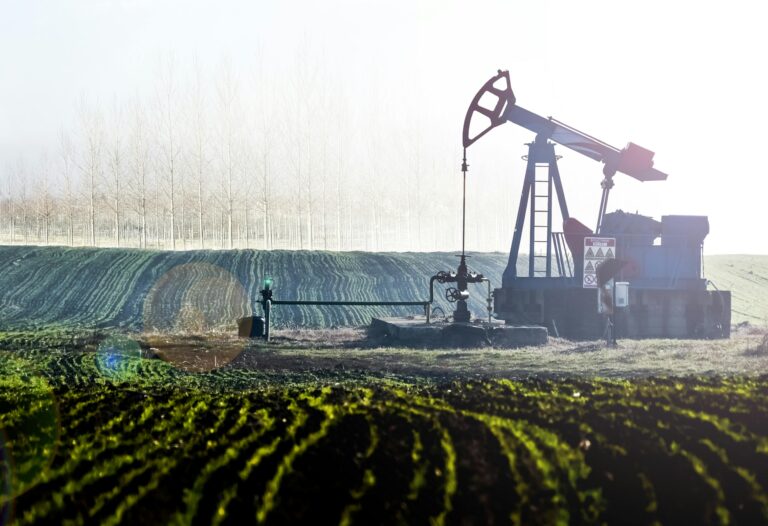
An oilfield located in South America has been developed with vertical wells to produce from a multilayered structure with different reservoir pressures and API gravities. The field is under waterflooding as a secondary recovery mechanism to maintain pressures, however, water production skyrockets once breakthrough occurs in producer wells. Also, some formation layers have excessive gas production which in several cases induces a significant quantity of sand production and creates a detrimental environment for the electrical submersible pumps (ESP). These unfavorable downhole conditions contribute to pump failures, recurrent workovers, inefficient field operation and reduced oil recovery.
Reduction in water production.
Increase in oil production.
Gas and oil ratio reduction.
Challenges and Objectives
A commingled production strategy with a 7” cased and perforated completion is considered in this field as standard completion design. Different reservoir pressures and a substantial viscosity contrast (>150 cP) between the main formation units pose a significant challenge to recover oil from the perforated intervals. Therefore, with this primary completion design there are no means to control unwanted fluid phases once they breakthrough into the well. Such breakthroughs jeopardize oil production and lead to well shut-ins due to failures in the ESP’s. After a workover is performed to replace the failed ESP, the objective of this retrofit completion was to restore and improve the oil production while controlling the unwanted water and gas production.
Solutions
After a detailed evaluation of the production/injection data, reservoir information and current well completion design, a reservoir simulation study was conducted applying lessons learned from analogous projects to propose a solution. The design proposed was a 4-1/2” retrofit completion with 10 dual AICV® joints located within 8 compartments isolated by swell packers. The AICV® joint design included an advanced premium mesh screen selected after a detailed sand control study which indicated high presence (>15%) of fine particles (size < 45 micron).
Results
Production data indicated that the well had experienced a sudden increase in GOR and a steady increment in water production during the last 150 days of production pre-AICV® installation, which contributed to a mechanical failure of the ESP. The AICV® technology enabled the operator to restore the oil production in this well. Current values represent an increase in oil production of more than 100% and continue to trend up. The GOR was reduced by 80% while water production plummeted with a 95% reduction, thus reducing the water cut of the well from 80% to 8%. The ESP behavior has demonstrated improved and stable behavior which yields extended run life requiring fewer well interventions.
Sand production was significantly reduced, and it is now far below the well design limits. The installation of the AICV® technology in a challenging vertical well has shown its capability to increase oil recovery, enhance ESP performance, ESP longevity, reduce unnecessary workovers and improve its carbon footprint.
Download Case Study
By downloading, you agree to the collection and processing of your personal data in accordance with the General Data Protection Regulation (GDPR) and our Privacy Policy.
"*" indicates required fields
View more Case Studies
Increased oil, reduced water and reduced CO2 production with AICV® well compared to conventional AICD wells
An operator in South America started the development of a remote green oilfield in 2018 with horizontal wells.

Quad AICV® installation provides superior water control and increased oil production
Quad AICV® installation provides superior water control and increased oil production.