Case studies
Increased oil, reduced water and reduced CO2 production with AICV® well compared to conventional AICD wells
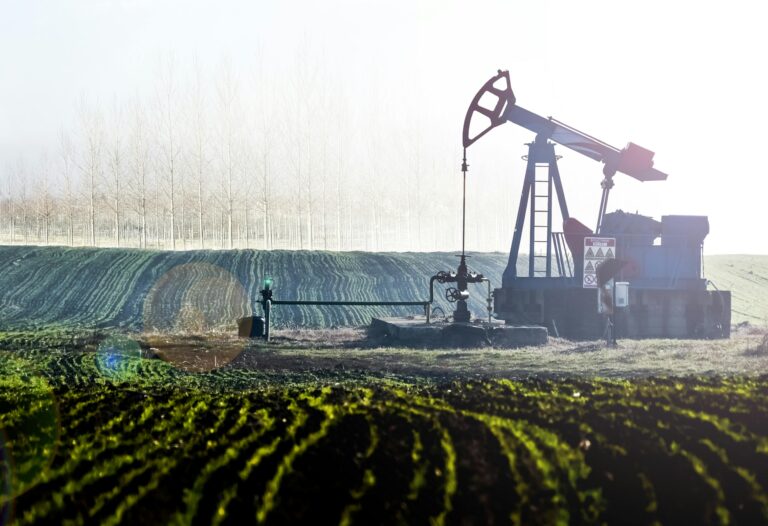
An operator in South America started the development of a remote green oilfield in 2018 with horizontal wells. Due to the presence of a strong water drive mechanism, the initial well reached unacceptable water production levels, negatively impacting oil production and CO2 footprint; driving the operator to evaluate and install advanced completion technologies to control water production and improve reservoir drainage.
Barrel of crude oil additional reduction of water production vs. AICD.
Barrel of crude oil additional reduction of water production vs. AICD.
Tons less CO2 per year vs. AICD.
Challenges and Objectives
In 2018, the first horizontal well of the field was drilled in the flank of the reservoir structure and completed with stand-alone screens (SAS), quickly demonstrating the presence of a strong aquifer, and showing early water breakthrough. Hence, the operator decided to switch their reservoir management strategy and opted for advanced completions with screens and AICDs to delay and control water production in the field. Even though initial results were positive, and a considerable improvement compared to SAS completions has been observed, such outcomes have been highly dependent on the structural position of the wells. Trialed AICD technologies have proven to delay water breakthrough but due to its operating principles, they cannot effectively control zones with higher water saturation.
Solutions
After a detailed simulation study, comparing the performance of an existing AICD-RCP completion versus an AICV® completion, pre-drilling modelling indicated potential oil increase of 14% and 2.2 million barrels of water reduction in 400 days of production. The results demonstrate the AICVs ability to efficiently drain the reservoir by autonomously shutting off zones with 100% water while applying higher drawdown to zones with higher oil saturation, resulting in higher PI’s, as AICV® valves pose less restriction to such zones. A 1,000-meter lateral was drilled and completed in the flank of the reservoir with 40 AICV® quad joints (160 valves) in 20 compartments.
Results
The results involve the comparison of 4 wells placed in the flank of the reservoir structure: (A) AICV®, (B) AICD-RCP, (C) SAS and (D) AICD-RCP, all with similar positions relative to the oil-water contact. Wells A and D have longer horizontal sections (>1,000 m) compared to Wells B and C (>340 m). Indicators like oil cut clearly show that the AICV® completion has demonstrated better water control compared to its analogous RCP completion as stabilization has been noticed at higher oil cut/WOR. A recent pump frequency increase in the AICV® well showed its ability to control zones with high water saturation while allowing production from zones with better oil saturation, as oil cut increased 15% to 20%.
Cumulative oil production over time and cumulative oil production versus cumulative water production results indicate that there is a considerable difference between SAS completions and AICD/AICV® completions. It can also be observed that the AICV® completion has outperformed its analogous RCP completion and is producing more than 0.2 MM Bbl of oil more while producing 3.5 MM Bbl of water less in 500 days of production data (reducing emissions by >1 MM ton CO2 /year).
Download Case Study
By downloading, you agree to the collection and processing of your personal data in accordance with the General Data Protection Regulation (GDPR) and our Privacy Policy.
"*" indicates required fields
View more Case Studies
AICV® increases oil production in an existing vertical well by providing gas and water control in a multi-layered formation
An oilfield located in South America has been developed with vertical wells to produce from a multilayered structure with different reservoir pressures and API gravities.

Quad AICV® installation provides superior water control and increased oil production
Quad AICV® installation provides superior water control and increased oil production.